


Comprehensive Guide to Florida Intestate Succession Laws and Probate: What Happens When You Die Without a Will
In the United States, it is estimated that nearly 60% of adults die without a valid will, a situation known as dying intestate. This reality often results in significant financial and emotional burdens for surviving family members. In Florida, the absence of a will triggers the application of intestate succession laws under Florida Statute Chapter 732, which strictly governs how assets are distributed. Understanding these laws, the probate process, and the consequences of intestacy is essential for Floridians seeking to protect their legacy and provide for their loved ones.
This authoritative guide delves deeply into Florida-specific intestate succession laws, real-world scenarios illustrating the fate of various asset types, the probate process timelines and costs, and the shortcomings of intestacy laws for blended families, unmarried partners, and families with minor children. Additionally, it highlights critical estate planning documents beyond a will that every Floridian should consider, dispels common myths about dying without a will, and explores how modern legal automation services are revolutionizing estate planning accessibility and affordability.
Florida Intestate Succession Laws: Exact Order of Heirs and Asset Distribution Under Florida Statute 732
Florida’s intestate succession laws are codified in Florida Statute Chapter 732. When a person dies without a valid will, the statute prescribes a strict order of priority for heirs and dictates how the decedent’s assets are distributed.
Order of Heirs Under Florida Intestate Succession
The distribution hierarchy is as follows:
- Surviving Spouse and Descendants: If the decedent is survived by a surviving spouse and descendants (children, grandchildren), the estate is divided based on the nature of the descendants’ parentage:
- If all descendants are also descendants of the surviving spouse, the spouse inherits the entire estate.
- If some descendants are not descendants of the surviving spouse, the spouse receives half of the estate, and the other half is divided equally among the descendants.
- Surviving Spouse Without Descendants: The surviving spouse inherits the entire estate if there are no descendants but surviving parents or siblings exist.
- Descendants Without Surviving Spouse: The entire estate passes to the decedent’s descendants.
- No Spouse or Descendants: The estate passes to the decedent’s parents.
- No Spouse, Descendants, or Parents: The estate passes to siblings and their descendants.
- No Immediate Family: The estate passes to more distant relatives such as grandparents, aunts, uncles, and cousins.
- No Heirs: The estate escheats to the State of Florida.
This statutory order is rigid and does not account for personal relationships outside of legal marriage or blood relations, which can lead to unintended outcomes.
Real-World Scenarios: What Happens to Your Home, Bank Accounts, Business Interests, and Digital Assets When You Die Intestate in Florida?
Understanding how different asset types are handled under intestate succession is critical for Floridians. Below are common scenarios illustrating the fate of various assets when someone dies without a will.
Primary Residence (Home)
If the decedent owned real property such as a home solely in their name, the property becomes part of the probate estate. The court-appointed personal representative or executor must manage the property during Florida probate. The home cannot be sold or transferred until probate concludes, which can take months or longer. If the surviving spouse is entitled under intestate law, they may inherit the home, often referred to as a life estate, but if there are children from another relationship or other heirs, the home may be divided or sold to satisfy all heirs’ interests.
Bank Accounts
Bank accounts titled solely in the decedent’s name, including those at credit unions, are subject to probate. Without a will, the bank or credit union freezes these accounts until the probate court authorizes distribution. Accounts with payable-on-death (POD) designations, insurance policies specifying beneficiaries, annuities, or joint ownership with rights of survivorship bypass probate and transfer directly to the named beneficiaries or surviving joint owners.
Business Interests
Business ownership interests held solely by the decedent become part of the probate estate. Without clear succession planning, the business may face operational disruptions. The personal representative must manage or liquidate the business interest according to intestate succession laws and Florida probate court rulings, which may not align with the decedent’s wishes or the business’s best interests.
Digital Assets
Digital assets such as online accounts, cryptocurrencies, and digital media are increasingly valuable. Without explicit instructions or designated digital asset fiduciaries, access to these assets can be complicated or impossible. Florida law recognizes digital assets as property, but without a will and testament or digital asset directive, heirs may face legal hurdles accessing or managing these assets.
Statistics on Americans Dying Without a Will and the Financial and Emotional Costs to Families
Nationally, studies show that approximately 60% of adults do not have a will or estate plan. This lack of planning results in probate delays, increased legal fees, and family conflicts often related to undue influence or disputes over inheritance. Financially, probate costs can consume 2% to 7% of the estate’s value, including attorney fees, personal representative fees, and court costs. Legal disputes can escalate expenses further, with judgments sometimes reducing the inheritance for the rightful beneficiaries. Emotionally, families often experience stress, confusion, and conflict during an already difficult time, exacerbated by unclear asset distribution and prolonged probate.
The Florida Probate Process Without a Will: Timelines, Court Involvement, Fees, and Asset Freezing
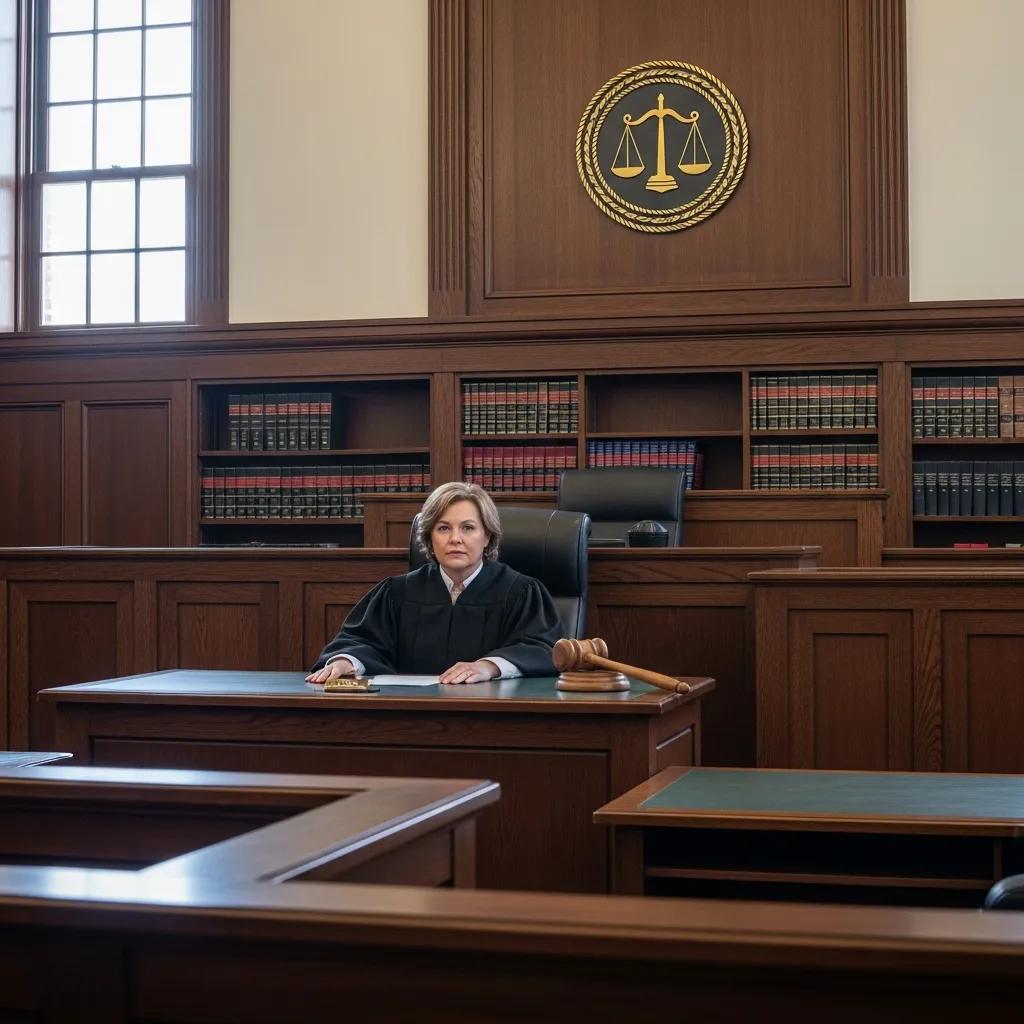
When a Floridian dies intestate, the probate process is mandatory to legally transfer assets. Probate involves supervision by the probate court to validate debts, identify heirs, and distribute assets according to Florida intestacy law.
Key Steps and Timelines
- Filing the Petition for Administration: A personal representative or attorney petitions the probate court to open the estate, usually within a few weeks of death.
- Appointment of Personal Representative: The court appoints a personal representative to manage the estate, who acts as a fiduciary.
- Inventory and Appraisal: The personal representative compiles a detailed inventory of all assets including property, bank accounts, insurance policies, annuities, and retirement accounts such as individual retirement accounts (IRA). This is submitted to the court, usually within 60 days.
- Notification of Creditors and Heirs: Creditors and potential heirs, including surviving spouses, siblings, and descendants, are formally notified, allowing claims or disputes to be filed.
- Debt and Tax Payment: The estate pays valid debts, taxes, and administrative expenses using estate income or liquidated assets.
- Distribution of Remaining Assets: After debts are settled, assets are distributed to heirs per intestate succession laws and the probate court’s judgment.
- Closing the Estate: The personal representative files a final accounting, and the court closes the estate.
The entire probate administration process can take from 6 months to over 18 months, depending on the estate’s complexity and any disputes. During probate, assets like the decedent’s property and bank accounts are frozen and cannot be sold or transferred without court approval. Probate fees include court costs, personal representative fees (typically 3% of the estate), attorney fees, and other administrative expenses.
How Intestacy Laws Fail Blended Families, Unmarried Partners, and Those with Minor Children
Florida intestate succession laws prioritize legal spouses and blood relatives, excluding domestic partnerships and significant others.
- Blended Families: Stepchildren are not automatically heirs unless legally adopted. Without a will and testament, they may receive nothing even if the decedent intended otherwise through gifts or trusts.
- Unmarried Partners: Florida does not recognize common-law marriage or domestic partnerships for inheritance purposes. Unmarried partners have no legal rights to property or life insurance policy proceeds without a beneficiary designation or trust document.
- Minor Children: Without designation of a legal guardian through estate planning documents, courts may appoint guardians who do not reflect the decedent’s wishes.
These gaps highlight the need for comprehensive estate planning involving a qualified estate planning attorney to tailor a plan, including possibly creating trusts and powers of attorney.
Key Estate Planning Documents Every Floridian Needs Beyond a Will
While a will is foundational, several other documents are essential:
- Healthcare Surrogate Designation: Appoints an individual to make medical decisions if incapacitated.
- Durable Power of Attorney: Grants authority to manage financial and legal matters.
- Living Will (Advance Directive): Specifies wishes regarding life-sustaining treatments and end-of-life care.
- Lady Bird Deed (Enhanced Life Estate Deed): Enables transfer of real property outside probate while retaining control during life.
- Trusts: Can protect assets, avoid probate, and provide for minor children or beneficiaries.
These documents complement a will and help avoid complications involving probate court proceedings.
Common Misconceptions About Dying Without a Will: Myths vs. Florida Legal Reality
Many Floridians hold misconceptions about intestacy:
- Myth: “My spouse automatically inherits everything.”Reality: Surviving spouse inheritance depends on presence of children, divorce status, and community property rules.
- Myth: “Jointly held property always passes to the survivor.”Reality: Rights of survivorship must be clearly established; otherwise probate may be required.
- Myth: “I don’t need a will if I have a small estate.”Reality: Small estates still face probate delays without a will and testament.
- Myth: “A will covers all my assets.”Reality: Assets such as life insurance, IRAs, and annuities pass outside the will through designated beneficiaries.
Legal advice from an estate planning attorney can help clarify these issues and avoid costly mistakes.
How Legal Automation Services Like Lex Automate Make Estate Planning Accessible and Affordable
Modern technology has transformed estate planning. Platforms like Lex Automate offer affordable, user-friendly tools to create wills, powers of attorney, trusts, and other documents under Florida jurisdiction.
These services guide users through creating legally compliant documents, reducing the need for costly attorney consultations, and helping Floridians secure their legacy with confidence and ease.
Conclusion
Dying without a will in Florida triggers a complex legal process governed by intestacy laws that may not reflect your personal wishes. The probate process can be lengthy, costly, and emotionally taxing. Blended families, unmarried partners, and those with minor children face particular vulnerabilities.
Comprehensive estate planningincluding a valid will and supporting documents like healthcare surrogates, durable powers of attorney, living wills, and lady bird deeds—is essential to protect your assets and family. Modern legal automation services and experienced estate planning attorneys can help ensure your estate plan aligns with Florida probate law and your unique circumstances.
Need Expert Estate Planning Assistance?
For personalized legal advice, assistance with probate administration, trust creation, or to understand what happens if you die without a will, consider consulting with experienced estate planning professionals.
For further assistance with estate planning and related legal matters, consider reaching out to LaBorde Legal.
If you have questions or need to schedule a consultation, you can contact us today.