


Understanding Estate Planning Fundamentals with an Estate Planning Attorney in Florida for Peace of Mind
By Garrett Laborde, Laborde Legal Group, LLC
Estate planning is a critical process that enables individuals to manage their assets and allocate their affairs, ensuring that their wishes are fulfilled after their passing. This comprehensive guide aims to explain the key components of estate planning, the significance of working with a qualified estate planning attorney in Florida, and provide insights into how to effectively secure peace of mind regarding one’s estate. While the complexity of estate planning can often be intimidating, understanding its fundamentals can demystify the process and empower individuals to make informed decisions.
In this article, we will explore essential estate planning concepts such as wills, trusts, and the probate process. We will also discuss the roles and advantages of engaging with an estate planning attorney, particularly in Florida. Furthermore, we will highlight the importance of personalized legal services in creating tailored strategies that align with individual goals. As we navigate these topics, we will uncover why this proactive approach is fundamental to achieving lasting peace of mind for individuals and their families.
What Are the Key Components of Estate Planning in Florida?
Estate planning encompasses several essential documents and strategies that ensure a person’s wishes are properly executed upon their passing. Key components include wills, trusts, powers of attorney, and healthcare directives. Each of these elements plays a vital role in managing assets, directing healthcare decisions, and minimizing conflicts among beneficiaries.
The following table compares the different components of estate planning, illustrating their respective attributes and values:
By integrating professional services like those offered by Laborde Legal, individuals can be guided through these components, ensuring that their estate planning aligns with Florida statutes and personal goals.
How Does a Last Will and Testament Florida Protect Your Assets?
A Last Will and Testament in Florida serves as a legal document outlining how an individual’s assets should be distributed upon their death. This document not only designates beneficiaries but also appoints an executor who will manage the estate’s affairs. One of the critical protections offered by a will is the provision it creates for asset distribution.
Having a will minimizes the potential for family disputes regarding asset division and ensures that wishes regarding dependents are respected. Furthermore, the probate process, although necessary, can be streamlined by a well-structured will that complies with Florida’s legal requirements. Properly executed wills can help expedite the settling of estates, providing peace of mind to both the deceased’s family and beneficiaries.
What Is a Living Trust and How Does It Differ from a Will?

A living trust is a legal agreement in which assets are transferred into a trust during a person’s lifetime, allowing the grantor to retain control while avoiding probate upon their passing. Unlike a will, a living trust enables the swift and private transfer of assets to beneficiaries without the need for court involvement.
The primary advantages of a living trust include:
- Probate Avoidance: Assets placed in a living trust do not go through probate, allowing for immediate access by beneficiaries.
- Privacy: Trusts are not public records; thus, their contents remain confidential, safeguarding personal and financial information from the public eye.
- Management of Assets: A living trust provides a mechanism for managing assets in the event of incapacity, ensuring continued financial stability.
Understanding these differences empowers individuals to choose the best estate planning strategy that meets their needs.
How Does the Probate Process Work in Florida?
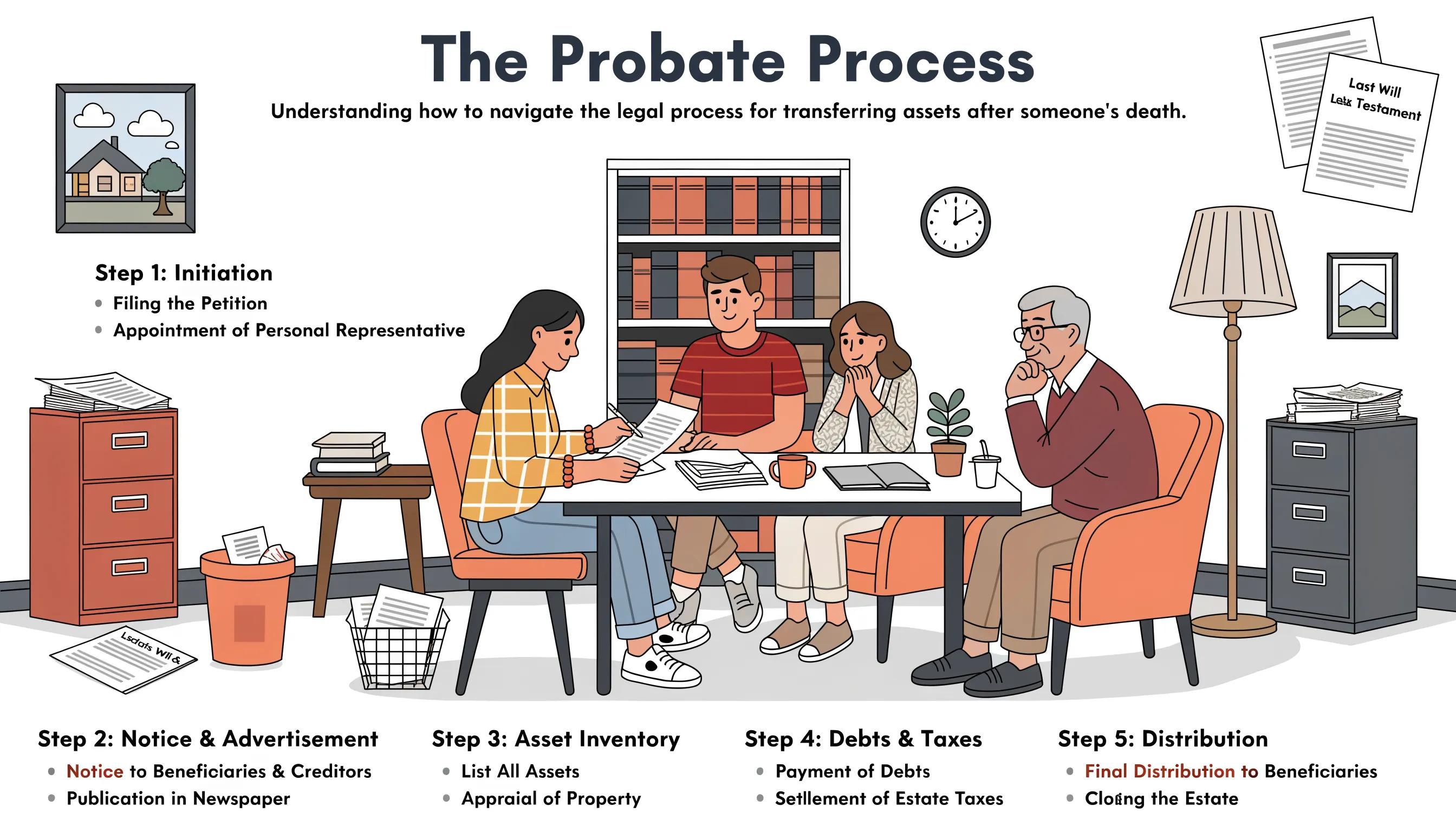
The probate process in Florida is the legal mechanism through which a decedent’s assets are distributed. It generally involves several key steps:
- Filing the Will: The executor submits the will to the probate court, initiating the legal process.
- Notifying Heirs and Beneficiaries: Required notifications are made to all stakeholders concerning the probate proceedings.
- Asset Inventory: The executor is responsible for compiling a complete inventory of the deceased’s assets and liabilities.
- Debt Payment: The estate’s debts and taxes must be settled before distributing assets to beneficiaries.
- Distribution of Remaining Assets: Once debts are settled, the executor distributes the remaining assets according to the will’s directives.
The probate timeline can vary widely based on estate complexity; therefore, engaging a probate attorney in Miami-Dade is advisable to navigate potential challenges effectively.
When Should You Hire a Probate Attorney in Miami Dade?
Hiring a probate attorney is an essential consideration, particularly in complex situations. Here are scenarios where legal representation is critical:
- Complex Estates: Estates with numerous assets, business interests, or complex financial arrangements require professional management.
- Disputes Among Heirs: When conflicts arise among beneficiaries regarding asset distribution, legal guidance can help mediate and resolve disputes effectively.
- Tax Implications: Understanding and navigating the tax obligations associated with an estate can be highly complicated without professional assistance.
Navigating the probate process with the help of an attorney ensures compliance with Florida estate laws and minimizes legal pitfalls.
What Are the Roles and Benefits of Estate Planning Attorneys in Florida?
Engaging with an estate planning attorney offers numerous advantages, including proficiency in document preparation and a thorough understanding of state laws. Key roles of these professionals include:
- Document Preparation: Attorneys assist in drafting wills, trusts, powers of attorney, and healthcare directives to ensure they meet legal standards.
- Asset Protection Strategies: They provide guidance on strategies to protect assets from creditors and ensure proper management for heirs.
- Probate Guidance: Legal professionals help navigate the probate process seamlessly, providing representation in court if disputes arise.
Collaborating with an estate planning attorney like Laborde Legal allows individuals to gain tailored legal solutions, ensuring that their estate plan aligns with their specific needs.
How Does an Estate Lawyer Florida Ensure Compliance with Florida Estate Laws?
An estate lawyer in Florida plays a critical role in maintaining compliance with the state’s estate laws. They ensure that all legal documents are prepared according to current statutes, maximizing the estate’s benefits while minimizing the likelihood of disputes. Compliance involves several responsibilities:
- Legal Documentation: Attorneys guarantee that wills, trusts, and powers of attorney are executed correctly to avoid challenges in court.
- Maximizing Benefits: Estate attorneys are proficient in leveraging Florida laws to maximize tax exemptions and other benefits for the estate.
- Conflict Avoidance: By providing comprehensive guidance and clear documentation, attorneys help mitigate potential family conflicts before they arise.
By enhancing understanding and compliance, estate lawyers ensure that clients’ wishes are fulfilled smoothly and effectively within legal frameworks.
Why Choose Personalized Legal Services for Estate Planning in Florida?
The nature of estate planning requires tailored legal solutions, as each individual’s situation is unique. Personalized legal services offer a myriad of advantages:
- Tailored Solutions: Personalized services cater to specific family dynamics and financial situations, fostering customized estate plans.
- Comprehensive Guidance: Personal attention to an estate plan allows an attorney to consider all aspects of client wishes, from guardianship of minors to complex asset management.
- Support for Complex Family Dynamics: Lawyers can navigate sensitive situations, easing the process of confronting difficult family discussions regarding inheritance and asset distribution.
The benefits of personalized legal services significantly enhance the overall effectiveness of estate planning.
How to Protect Your Assets and Plan Business Succession Through Estate Planning?
Effective asset protection and business succession planning are crucial elements of a solid estate plan. Strategies include:
- Establishing Trusts: Trusts can shield assets from creditors and provide for beneficiaries in predefined ways, securing their financial future.
- Incorporation of Businesses: Registering businesses as corporations or limited liability companies (LLCs) protects personal assets from business liabilities.
- Succession Planning Strategies: Clear guidelines for transitioning business ownership ensure stability and continuity, preventing disruptions during ownership transfers.
These strategies are designed to safeguard assets and provide a clear roadmap for business continuity, even in unforeseen circumstances.
What Asset Protection Strategies Are Available in Florida Estate Planning?
Various asset protection strategies exist to help individuals preserve wealth while complying with Florida laws. Key strategies include:
- Homestead Exemption: Florida’s homestead laws provide significant protection for primary residences, shielding equity from creditors.
- Creating Trusts: Establishing irrevocable trusts can protect assets from potential lawsuits and creditors, providing a layer of security.
- Incorporating Businesses: Forming a business entity can separate personal and business liabilities, significantly mitigating risk.
Implementing these strategies effectively allows individuals to fortify their estates against potential threats, thereby enhancing long-term security.
How Does Business Succession Planning Integrate with Estate Planning?
Business succession planning is closely intertwined with estate planning, particularly for business owners seeking to ensure the long-term success of their enterprises. Importance lies in:
- Identifying Successors: Clearly outlining successor roles preserves the leadership structure and minimizes disputes during transitions.
- Creating Governing Structures: Establishing appropriate governance for the business helps facilitate smooth transitions and ongoing operations.
- Documentation of Plans: Formalizing succession plans in estate documents guarantees that intent is legally recognized, reducing ambiguity.
Integrating these elements allows business owners to secure their legacy while providing for the continuity of their operations.
What Are Common Questions About Estate Planning and Probate in Florida?
Several common queries arise regarding estate planning and probate in Florida. Understanding these can demystify the processes for many:
- What is probate?: A court-supervised process for distributing assets according to a will.
- What happens if I die without a will?: The state will distribute assets according to its intestacy laws, which may not align with personal wishes.
- How do wills and living trusts differ?: Wills govern asset distribution post-death, while living trusts manage assets during and after life.
Addressing these questions thoroughly ensures that individuals have a comprehensive understanding of the estate planning landscape.
How Do You Create a Basic Last Will and Testament in Florida?
Creating a Last Will and Testament in Florida involves several steps to ensure compliance with state laws:
- Determine Asset Distribution: Clearly specify how assets will be allocated among beneficiaries.
- Select an Executor: Choose someone to carry out the terms of the will and manage estate affairs.
- Sign the Document: The will must be signed in the presence of at least two witnesses to be valid under Florida law.
Proper guidance from an estate planning attorney can streamline this process, ensuring that all legal requirements are met, and that the document accurately reflects the testator’s wishes.
What Are Typical Costs Associated with Estate Planning Services in Florida?
The costs associated with estate planning services can vary widely depending on several factors:
- Attorney Fees: Engagement with an estate planning attorney can range from simple flat fees for basic wills to hourly rates for more complex plans.
- Document Preparation Costs: Costs may also include fees for drafting and filing necessary legal documents.
- Ongoing Maintenance: Depending on the complexity of needs, periodic reviews and updates to estate plans can also incur costs.
Understanding these factors ensures individuals can budget appropriately for comprehensive estate planning while safeguarding their assets.