


How to Choose a Trademark Registration Attorney Near You
By Garrett Laborde, Laborde Legal Group, LLC
Selecting the right trademark registration attorney is crucial for protecting your intellectual property and ensuring a smooth registration process. This guide will help you understand the key qualifications and factors to consider when choosing a trademark attorney, as well as provide tips for evaluating potential candidates. Many individuals and businesses face challenges in navigating the complexities of trademark law, which can lead to costly mistakes. By understanding the trademark registration process in Florida and the qualities to look for in an attorney, you can make an informed decision that safeguards your brand. We will cover essential qualifications, important factors, and the trademark registration process, along with practical tips for selecting the best attorney for your needs. For reliable legal assistance, consider exploring the services offered by Laborde Legal.
Key Qualifications
When searching for a trademark registration attorney, it is essential to consider their qualifications to ensure they can effectively represent your interests. Key qualifications include:
- Experience in Trademark Law: Look for an attorney with a proven track record in trademark registration and enforcement.
- Familiarity with USPTO: An attorney should have extensive knowledge of the United States Patent and Trademark Office (USPTO) procedures and requirements.
- Track Record of Success: Evaluate their history of successful trademark registrations and litigation, if applicable.
Choosing an attorney with these qualifications can significantly impact the success of your trademark application. If you are ready to take the next step, consider booking a consultation with a qualified trademark attorney to discuss your specific needs.
Important Factors to Consider
Selecting a trademark attorney involves more than just qualifications; several important factors can influence your decision:
- Specialization in Trademarks: Ensure the attorney specializes in trademark law rather than general legal practice.
- Local Knowledge: A local attorney will be familiar with state-specific regulations and practices that may affect your application.
- Communication Skills: Effective communication is vital for a successful attorney-client relationship. Choose someone who is responsive and clear in their explanations.
These factors can help you narrow down your options and find an attorney who aligns with your needs.
Tips for Evaluating Potential Candidates
When evaluating potential trademark attorneys, consider the following tips to ensure you make the right choice:
- Initial Consultation: Schedule a meeting to discuss your needs and assess their understanding of trademark law.
- Fee Structure: Inquire about their fee structure and ensure it aligns with your budget. Understanding costs upfront can prevent surprises later.
- Availability: Confirm that the attorney has the time and resources to dedicate to your case, as this can affect the outcome of your trademark registration.
By following these tips, you can effectively assess candidates and select an attorney who will advocate for your interests.
What Is the Trademark Registration Process in Florida and Why Does It Matter?
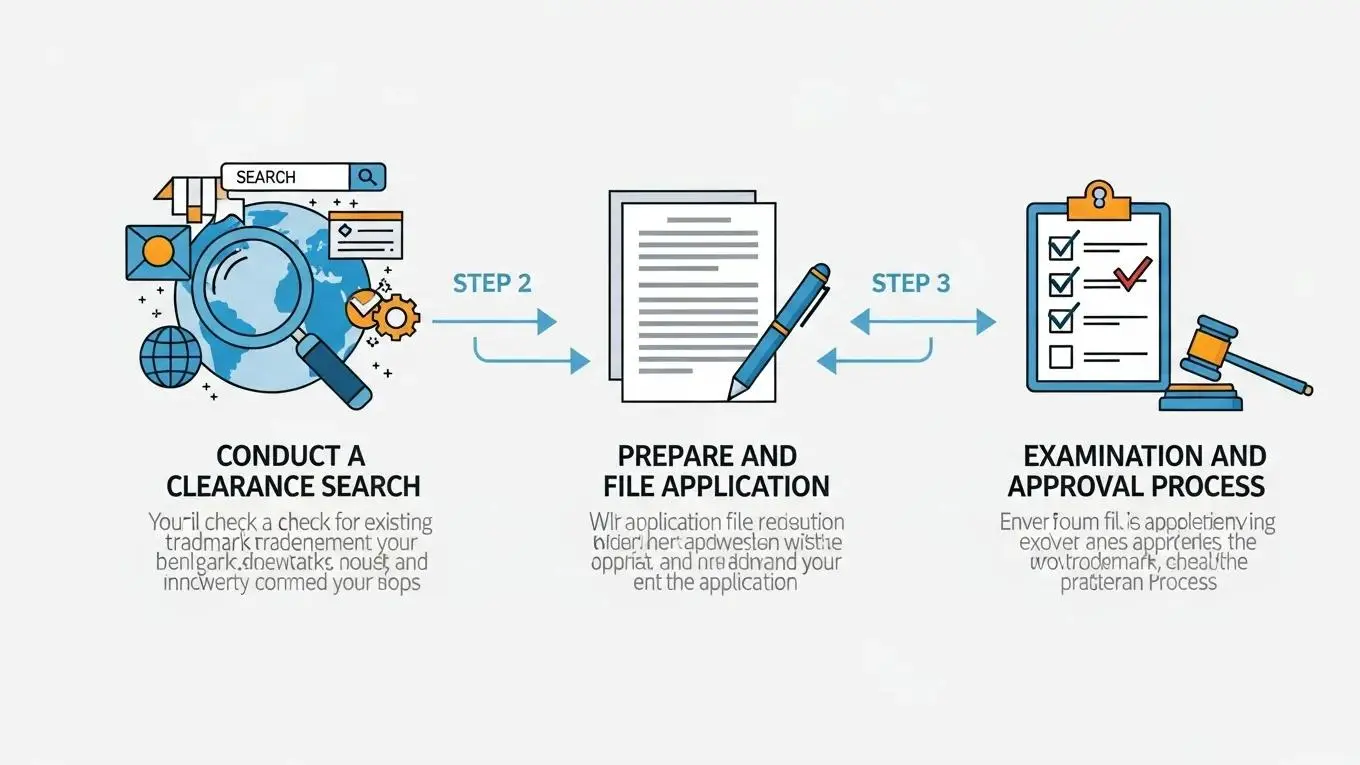
The trademark registration process in Florida is a critical step for businesses looking to protect their brand identity. This process involves several key stages:
- Conduct a Clearance Search: Before filing, it is essential to conduct a thorough search to ensure that your desired trademark is not already in use.
- Prepare and File Application: Once you have confirmed the availability of your trademark, you can prepare and submit your application to the USPTO.
- Examination and Approval Process: After submission, the USPTO will review your application for compliance with legal requirements.
Understanding this process is vital, as it can help you avoid common pitfalls and ensure a smoother registration experience.
How Does the Trademark Application Process Work in Florida?
The trademark application process in Florida involves several steps that require careful attention to detail. Initially, you must conduct a clearance search to confirm that your trademark is unique and not infringing on existing marks. This step is crucial to avoid potential legal disputes.
Next, you will prepare your application, which includes providing detailed information about your trademark and its intended use. Once your application is filed, it will undergo an examination by the USPTO, which may take several months. During this time, the office may request additional information or clarification, so being responsive is essential.
What Are the Key Legal Requirements for Trademark Registration?
To successfully register a trademark in Florida, you must meet specific legal requirements. These include:
- Distinctiveness Requirement: Your trademark must be distinctive and capable of identifying the source of your goods or services.
- Trademark Search Necessity: Conducting a thorough trademark search is essential to ensure that your mark does not conflict with existing trademarks.
- Application Submission Details: You must provide accurate and complete information in your application, including the goods or services associated with the trademark.
Meeting these requirements is crucial for a successful registration and can help you avoid delays or rejections.
What Are the Key Qualities to Look for in a Trademark Attorney Near You?
When selecting a trademark attorney, consider the following key qualities:
- Experience: Look for an attorney with substantial experience in trademark law and a successful track record.
- Specialization: Ensure the attorney specializes in intellectual property law, particularly trademarks.
- Communication Skills: Choose an attorney who communicates clearly and is responsive to your inquiries.
These qualities can significantly influence the effectiveness of your legal representation.
Which Qualifications and Experience Should a Trademark Lawyer Have?
A qualified trademark lawyer should possess specific qualifications and experience to effectively assist you in the registration process. Key qualifications include:
- Educational Background: A law degree from an accredited institution and specialized training in intellectual property law.
- Professional Experience: Experience working with the USPTO and handling trademark registrations and disputes.
- Industry Familiarity: Knowledge of your specific industry can be beneficial, as it allows the attorney to provide tailored advice.
These qualifications ensure that your attorney is well-equipped to navigate the complexities of trademark law.
How Can Local Expertise in Florida Trademark Law Benefit Your Application?

Hiring a local attorney with expertise in Florida trademark law can provide several advantages:
- Understanding State-Specific Regulations: Local attorneys are familiar with the nuances of Florida’s trademark laws, which can impact your application.
- Navigating Complex Processes: A local attorney can guide you through the intricacies of the trademark registration process, ensuring compliance with all legal requirements.
- Customized Legal Advice: Local expertise allows for tailored legal advice that considers the specific needs of your business and industry.
These benefits can enhance your chances of a successful trademark registration.
How Much Does a Trademark Attorney Cost in Florida and What Are Fee Structures?
The cost of hiring a trademark attorney in Florida can vary based on several factors, including the attorney’s experience and the complexity of your case. Understanding the fee structures can help you budget effectively. Common fee structures include:
- Hourly Rates: Many attorneys charge by the hour, with rates typically ranging from $150 to $500 per hour.
- Flat Fees: Some attorneys offer flat fees for specific services, such as filing a trademark application, which can range from $250 to $1,500.
- Contingency Fees: In some cases, attorneys may work on a contingency basis, where they receive a percentage of any damages awarded in a trademark dispute.
Understanding these fee structures can help you make an informed decision when selecting a trademark attorney.
What Are Typical Costs for Trademark Registration Services?
Trademark registration services can incur various costs, including:
- Application Fees: The USPTO charges a fee for filing a trademark application, which can range from $250 to $350 per class of goods or services.
- Attorney Fees: Hiring an attorney can add to your costs, with fees varying based on their experience and the complexity of your case.
- Additional Service Costs: Other costs may include trademark searches, monitoring services, and renewal fees.
Being aware of these costs can help you budget effectively for your trademark registration.
Are Free Initial Consultations Available and How Do They Work?
Many trademark attorneys offer free initial consultations to discuss your needs and evaluate your case. During this consultation, you can expect:
- Discussion of Your Trademark Needs: The attorney will ask about your trademark and its intended use.
- Overview of Services Offered: They will explain the services they provide and how they can assist you in the registration process.
- Fee Structure Explanation: The attorney will outline their fee structure and any potential costs associated with your case.
Taking advantage of free consultations can help you assess whether an attorney is the right fit for your needs.
What Questions Should You Ask When Choosing a Trademark Registration Attorney?
When interviewing potential trademark attorneys, consider asking the following questions:
- What is your experience with trademark registrations?
- How do you structure your fees?
- What is your approach to communication and updates?
These questions can help you gauge the attorney’s expertise and ensure they align with your expectations.
How to Evaluate an Attorney’s Approach to Trademark Search and Protection?
Evaluating an attorney’s approach to trademark search and protection is essential for ensuring your brand is adequately safeguarded. Consider the following aspects:
- Experience and Expertise: Assess their background in conducting thorough trademark searches and their understanding of potential conflicts.
- Comprehensive Trademark Search: Ensure they utilize comprehensive search methods to identify existing trademarks that may pose a risk to your application.
- Ongoing Monitoring and Enforcement: Inquire about their strategies for monitoring your trademark and enforcing your rights against potential infringements.
A well-rounded approach to trademark search and protection can significantly enhance your brand’s security.
What Client Success Stories or Case Studies Can Demonstrate Attorney Effectiveness?
Client success stories and case studies can provide valuable insights into an attorney’s effectiveness. Look for:
- Real-World Examples: Ask for examples of successful trademark registrations or disputes they have handled.
- Demonstrating Effectiveness: Inquire about specific outcomes and how the attorney’s expertise contributed to those results.
- Building Client Confidence: Positive testimonials and case studies can help you feel more confident in your choice of attorney.
These insights can help you assess the attorney’s capabilities and track record.
Why Choose Local Trademark Registration Services in Florida?
Choosing local trademark registration services in Florida offers several benefits:
- Familiarity with State Laws: Local attorneys understand Florida’s specific trademark laws and regulations, which can impact your application.
- Accessibility for Consultations: Working with a local attorney allows for easier in-person meetings and consultations.
- Support for Local Businesses: Local attorneys are often invested in the success of businesses in their community, providing tailored support.
These advantages can enhance your trademark registration experience and ensure your brand is well-protected.
How Does Florida-Specific Trademark Law Impact Your Registration?
Florida-specific trademark law can significantly impact your registration process. Key considerations include:
- Understanding Local Regulations: Familiarity with state laws can help you navigate the registration process more effectively.
- Navigating the Registration Process: Local attorneys can guide you through the specific requirements and procedures unique to Florida.
- Choosing the Right Classes: Understanding the appropriate classes for your goods or services is crucial for a successful application.
Being aware of these factors can help you avoid common pitfalls and ensure a smoother registration experience.
What Are the Benefits of Working with a Florida-Based Trademark Attorney?
Working with a Florida-based trademark attorney offers several advantages:
- Local Expertise: A local attorney will have a deep understanding of Florida’s trademark laws and regulations.
- Guidance Through Processes: They can provide tailored guidance throughout the registration process, ensuring compliance with all legal requirements.
- Long-Term Business Success: A strong trademark can contribute to your brand’s long-term success, and a local attorney can help you achieve that.
These benefits highlight the importance of selecting a local attorney for your trademark registration needs.
Common FAQs About Trademark Registration and Attorney Selection
When considering trademark registration, you may have several common questions:
How Long Does Trademark Registration Take in Florida?
Trademark registration in Florida typically takes between 8 to 12 months, depending on the complexity of your application and any potential issues that may arise during the examination process. The timeline can vary based on the USPTO’s workload and the specifics of your case.
What Are the Steps to File a Trademark in Florida?
Filing a trademark in Florida involves several key steps:
- Conducting a Trademark Search: Ensure your desired trademark is available and not already in use.
- Preparing the Application: Gather all necessary information and documentation for your application.
- Filing with the USPTO: Submit your application and pay the required fees.
Following these steps can help streamline the registration process and increase your chances of success. The complex nature of federal trademark registration often presents significant hurdles for applicants, emphasizing the benefit of professional legal guidance.
Challenges in Federal Trademark Registration Process
The annual number of trademark applications filed with the USPTO has increased dramatically. Despite USPTO efforts to make the process user friendly, the registration process poses insurmountable challenges to many applicants.
The story of USPTO trademark data, 2023
For detailed information on various legal services, you can visit
.